Bulk Canadian Barley Supplier & Exporter
Bennett’s Seed supplies Prairie-grown Canadian barley through contract-based programs for maltsters, food ingredient buyers, feed markets, and global importers. We focus on repeatable performance: consistent specifications, lot IDs, and shipment documentation built for recurring purchasing.
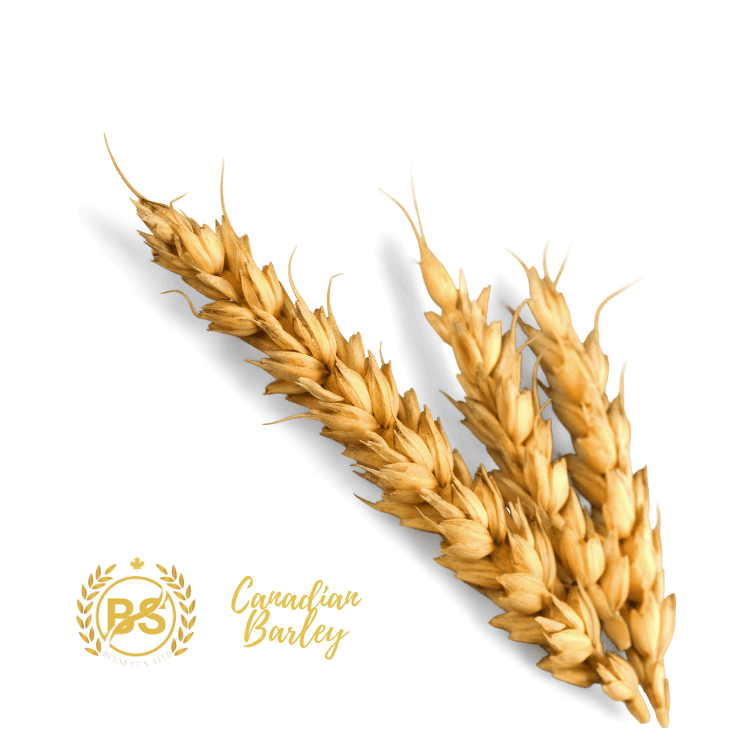
From Farm to Table: Our Commitment to Excellence as a Canadian Barley Exporter and Producer
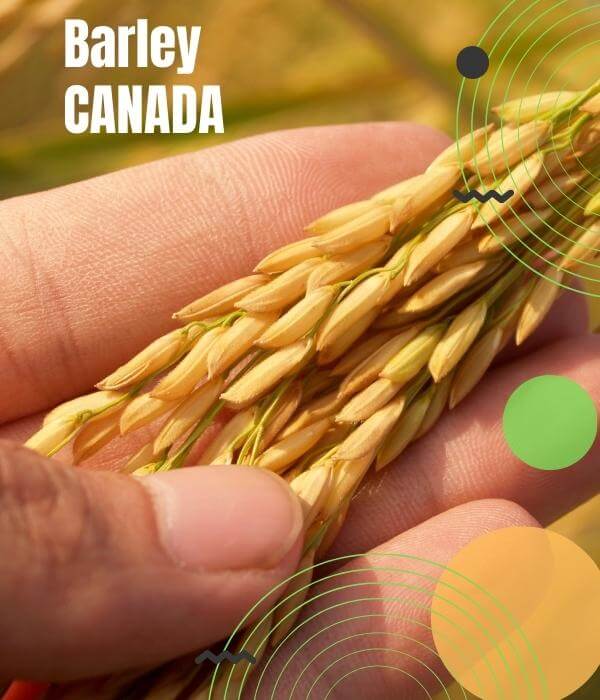
How Our Supply Programs Work
BNCP contracts directly with growers and manages the supply program.
After harvest, lots are cleaned, graded, and packaged at the nearest practical facility to origin to keep freight efficient and documentation consistent.
Lots are allocated to our market-facing subsidiaries, and Bennett’s Seed handles final sales to domestic Canadian buyers or export markets.
Canadian Prairies (Saskatchewan-led Supply)
Our barley programs are built around Prairie-origin lots, with supply concentrated in Saskatchewan and supported by program volumes from Alberta and Manitoba.
+0MHA
Manitoba
+0MHA
Saskatchewan
+0MHA
Alberta and British Columbia
+0MHA
Western Canada
Barley Programs We Support
General Purpose / Feed Barley: contract-based supply for feed and bulk programs.
Food Barley: buyer-selected lots graded under CGC food tables (two-row / six-row and hulless options where applicable).
Hulless Barley: specialty food ingredient programs where end-use requires hulless types.
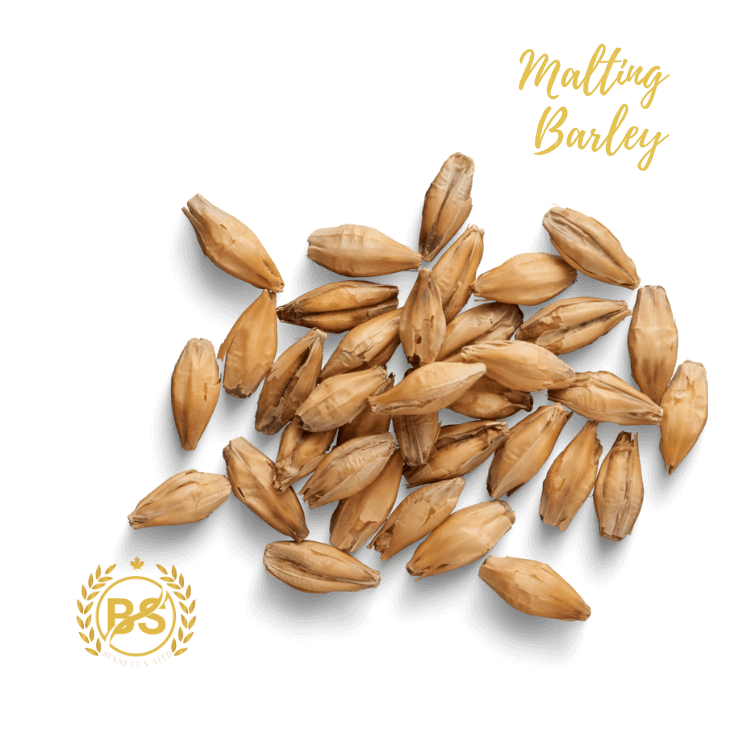
Malting Barley: buyer selection criteria defined by maltsters/brewers; lots aligned to contract parameters and CGC grading tables.
CGC-Aligned Grading & Contract Parameters
Canadian barley is graded under the Canadian Grain Commission (CGC) Official Grain Grading Guide. Grading factors can include items such as smut, fusarium damage, ergot, broken, heated, mildew, extraneous material and other defined factors. Buyer programs may specify tighter limits than baseline grade tolerances, confirmed by lot and documentation.
Reference links (CGC):
Typical Contract Parameters (Set by Buyer, Confirmed by Lot)
Specifications are set by contract and confirmed by lot. Typical parameters include:
- Program / end-use: general purpose/feed, food, hulless food, or malting
- Class / type: CW / CE; two-row or six-row; hulled or hulless (as applicable)
- Grade: Canada grades per CGC tables (as contracted)
- Moisture: contract maximum (storage and destination requirements)
- Dockage / extraneous material: contract maximum (CGC-aligned procedures)
- Admixture / other types: contract maximum (tighter buyer targets available)
- Malting-specific (if applicable): germination, protein target, plumpness, skinned/broken, pre-germination and other buyer parameters
- Optional (by request): residues, mycotoxins, or other buyer-required verification
Quality Assurance & Documentation
Lot IDs per shipment (traceability)
Packing list, bill of lading, commercial invoice
COA / analysis
summary (when requested)
Destination-aligned export documentation pack (as required by contract)
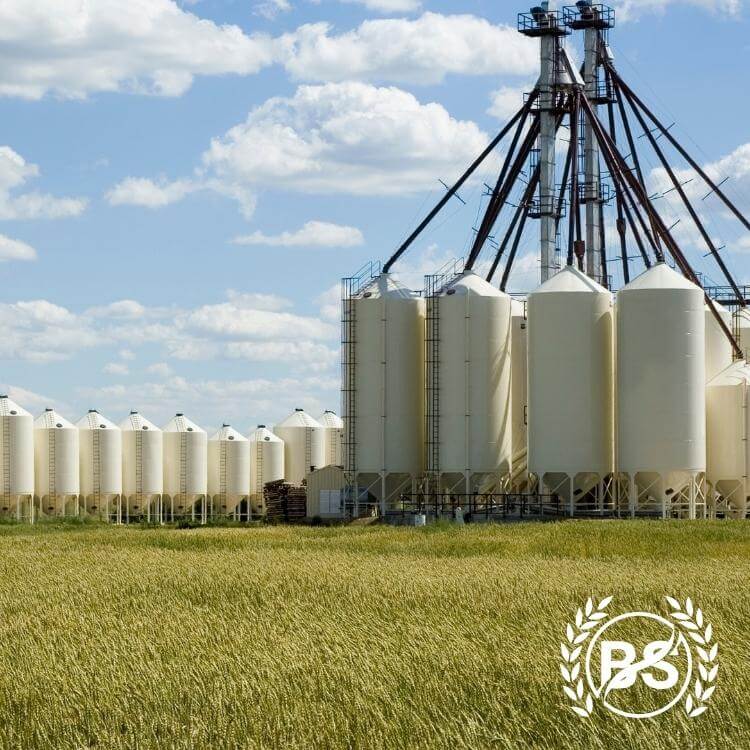
Packaging & Logistics (Export + Domestic Canada)
Common formats Bulk (program-dependent) 25 kg bags 1 MT totes Shipping terms FOB / CIF / DAP based on destination and contract For a quote: info@bspco.ca
FAQ
Do you supply malting barley?
Do you supply hulless barley for food applications?
Can you meet buyer-specific targets beyond grade?
What is your MOQ?
Canadian Hulless barley
Hull-less barley sheds its husk at harvest, boosting groat yield and β-glucan (≥ 7 %) for health-food makers.
Graded as Canada Western Hull-less; protein 12–14 %, moisture ≤ 13 %. Ideal for hot cereals, granola bars and gluten-friendly flour blends.
Available in 25 kg poly bags, 1 t totes or bulk containers, complete with SGS certificate and COR / USDA NOP organic option on request.
Hulless barley has a high protein and fiber content and is also a good source of vitamins and minerals, making it a nutritious food source for humans and livestock. Hulless barley is used in various food products, such as breakfast cereals, granola bars, and bread. It can also be used as an alternative to rice or pasta in various dishes, such as stir-fry or salads.
Hulless barley is typically grown in regions with cooler temperatures and higher rainfall, such as in the northern regions of the prairie provinces in Canada. This type of barley is well-suited to these growing conditions, which promote optimal growth and high-quality grain.